
📍 1 Triton Square, London NW1 3BF
What if we could enhance the way our brains learn, heal, and adapt - responsibly? Neurotechnology is rapidly redefining how we understand and interact with the human brain, raising both exciting possibilities and important ethical and policy considerations.
This Thursday Gathering, in partnership with Imperial Neurotech & Cambridge Neuroworks, will explore emerging innovations and real-world applications, alongside the regulatory, ethical, and societal questions shaping the future of neurotech. We’ll highlight cutting-edge research, practical developments, and opportunities for collaboration across the neurotechnology, health, and policy ecosystem.


Powered by Advanced Research + Invention Agency


We’re excited to welcome an exceptional lineup of startups and Cambridge NeuroWorks fellows at the forefront of neurotechnology and health innovation.
- Lucy Jung | Cambridge Neuroworks Fellow I Founder of LYEONS
LYEONS develops neurotechnology for brain health, focusing on gentle, non-invasive sensory modulation to support autonomic nervous system regulation in people experiencing stress, anxiety and sleep disturbance. Working with clinicians and academic partners, including through collaboration with Cambridge NeuroWorks, LYEONS advances evidence-led, user-centred design to translate neuroscience into accessible, everyday support. The platform combines adaptive hardware with physiological biomarkers such as breathing and heart rate to personalise calming interventions, with the long-term aim of improving quality of life and reducing escalation to more intensive clinical care.
- Liam Collins-Jones | Cambridge Neuroworks Fellow
Liam's work focuses on developing methods that use wearable brain imaging technology to support Alzheimer’s disease diagnosis. As a Cambridge NeuroWorks Bluesky fellow, He has been ideating new approaches for applying portable brain imaging technology in the dementia care pathway, as well as testing & iterating new imaging protocols that could be applied in clinic. He is currently running a proof-of-concept study, aiming to demonstrate that emerging advances in wearable technology can be used to measure brain-specific biomarkers of cognition.
- Sam Kamali | Cambridge Neuroworks Fellow I Founder of Myonerv
Myonerv is a wearable neurostimulator to remotely monitor and treat stroke induced paralysis. It detects a patient's intention to move, using muscle signals (EMG), and delivers precisely timed electrical stimulation to augment and retrain movement. This synchronised "intention-driven" therapy accelerates recovery while enabling high-frequency rehabilitation at home. Designed for remote use by physiotherapists, Myonerv expands access to therapy, reduces system costs and transforms stroke recovery from a clinic-limited service into scalable, continuous, remote-based treatment at home.
https://www.myonerv.co/
- Iwan Roberts | Cambridge Neuroworks Fellow
- Jonathan Fisher | Cambridge Neuroworks Fellow
- Flow NeuroScience - medically approved brain stimulation headset and therapy app home treatment for Major Depressive Disorder (MDD).
- ReNeu - harnessing the power of sound waves to slow cognitive decline.
- MintNeuro - design and supply purpose-built chips that make neural implants safer, smarter, and more scalable.
- Connectome - turning neuroscience into a practical tool for peak performance, mental clarity, and longevity.
- Imperial Neurotech Society - Imperial's student community for building, connecting, and educating in the field of Neurotech.

This lively, interactive workshop kicks off the Scaling Neurotech event. Equal parts networking icebreaker and communications workshop, the activities will be grounded in improvised theatre. Did you know improv has been scientifically shown to increase cognitive flexibility and reduce social anxiety? But there’s no need to be an actor or comedian! Come as you are with good vibes and a willingness to have fun, and we’ll get you in a state of neural flow.
The session is led by Stephen Lee, founder of Gist In Time, a leadership coaching and strategy consultancy. He brings an MIT and Stanford bioengineer’s mind to the media and live performance sectors. A former VP of Strategy and Innovation at Warner Bros. Discovery and avid improv comedian, Stephen uses techniques from both the boardroom and theatre stage to help leaders and teams navigate moments of transition, uncertainty and change.


Neurological and neuropsychiatric disorders have overwhelming societal and economic impacts. What if we could solve the mysteries of these disorders and mental health by interfacing with the brain in new ways?
Moderated by Darius Guerret-Shimi, join ARIA Programme Director Jacques Carolan for a fireside chat as he shares his vision for ARIA’s Scalable Neural Interfaces Opportunity Space, the programmes they are funding and some of the breakthroughs that he finds most exciting.

The panel will feature subject matter experts exploring public funding, private investment, and navigating the UK’s regulatory landscape.

Darius is a Master's scholar in Biomedical Engineering at Imperial, with a love for community-building and unbridled passion for neurotech — thus co-leading the 1600-member Imperial Neurotech Society, which has massively expanded beyond a student-scope into Europe's largest of its kind since launching in 2024. His personal hype? Ultrasonic neuromodulation.
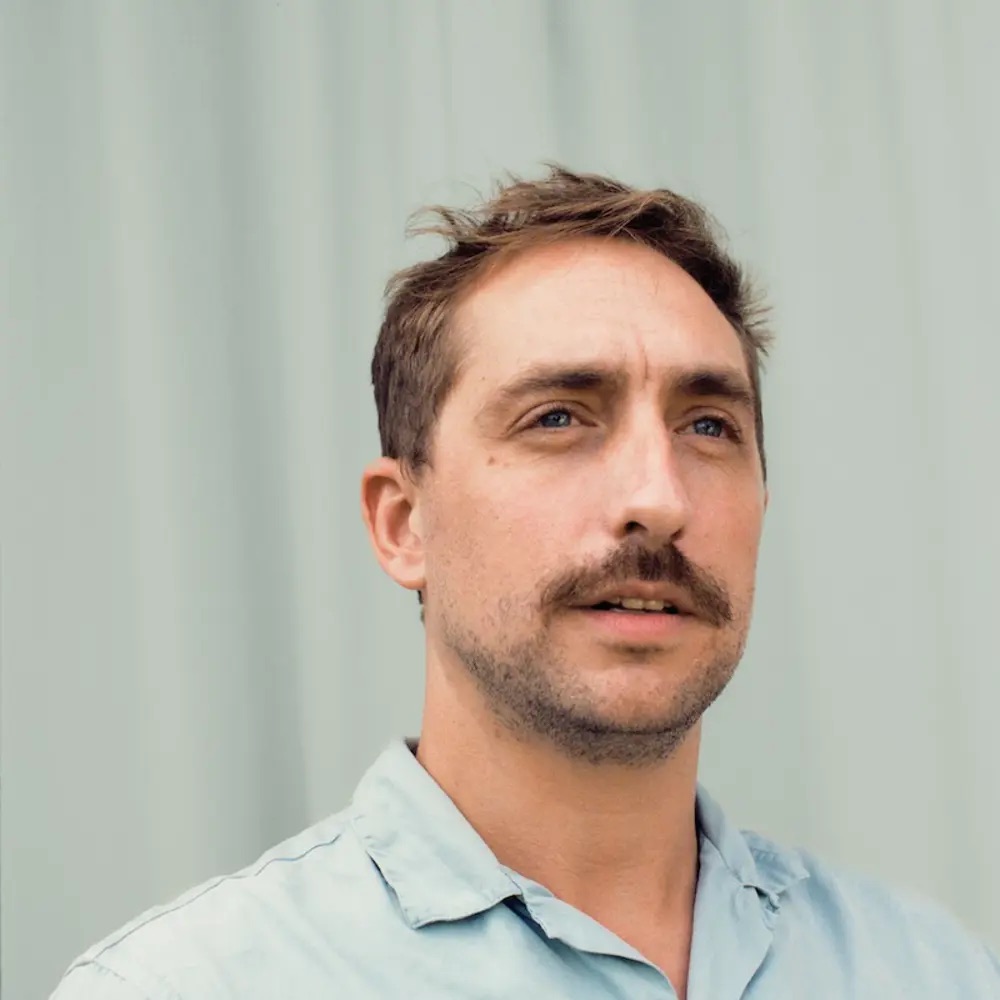
Jacques is an applied physicist and neuroscientist. Prior to joining ARIA as a founding Programme Director, he was a Discovery Fellow at UCL and a Marie Skłodowska-Curie Fellow at MIT.
Jacques’ work involves applying the principles of physics and engineering to create next-generation, scalable tools that aim to radically change our understanding of the brain and ultimately be used to repair it.

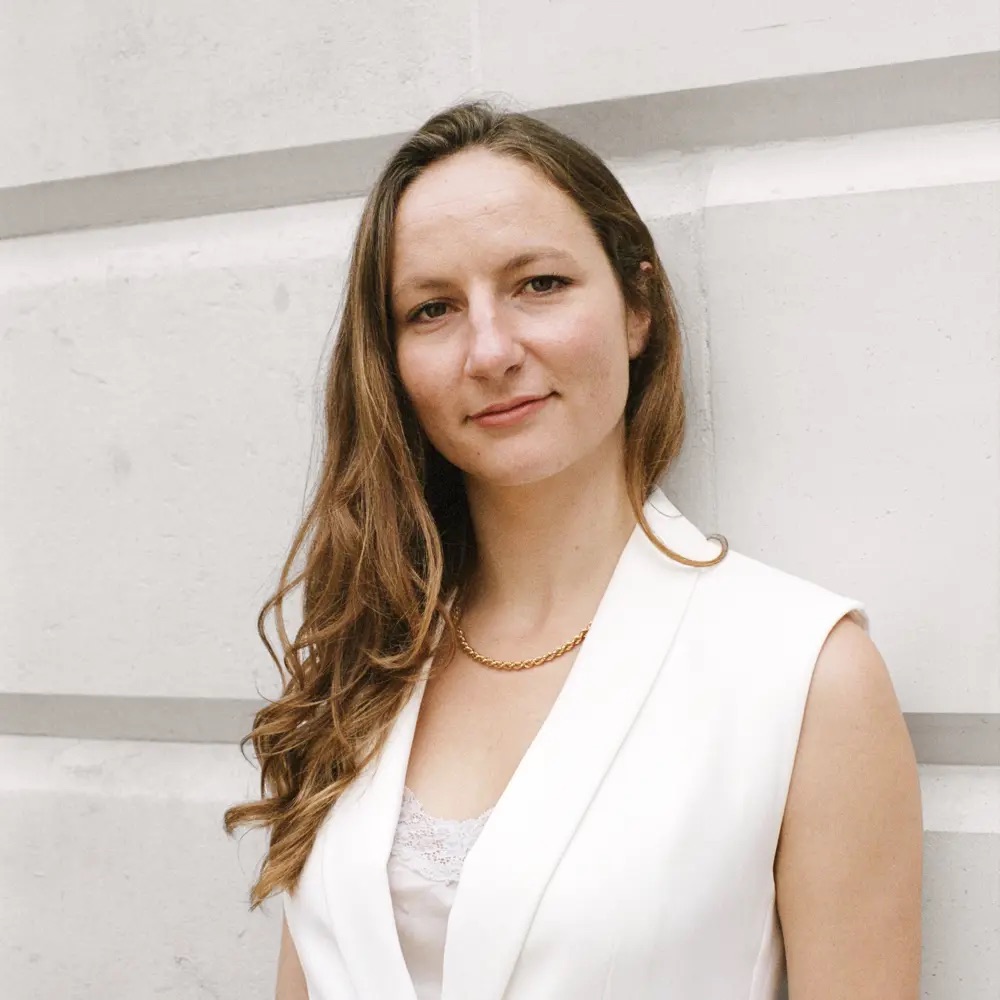
Gillian, a bioengineer, is passionate about advancing health through neurotechnology. She brings expertise in neuromodulation product development and biomaterials from her time at Blackrock Neurotechnology and Imperial College London.

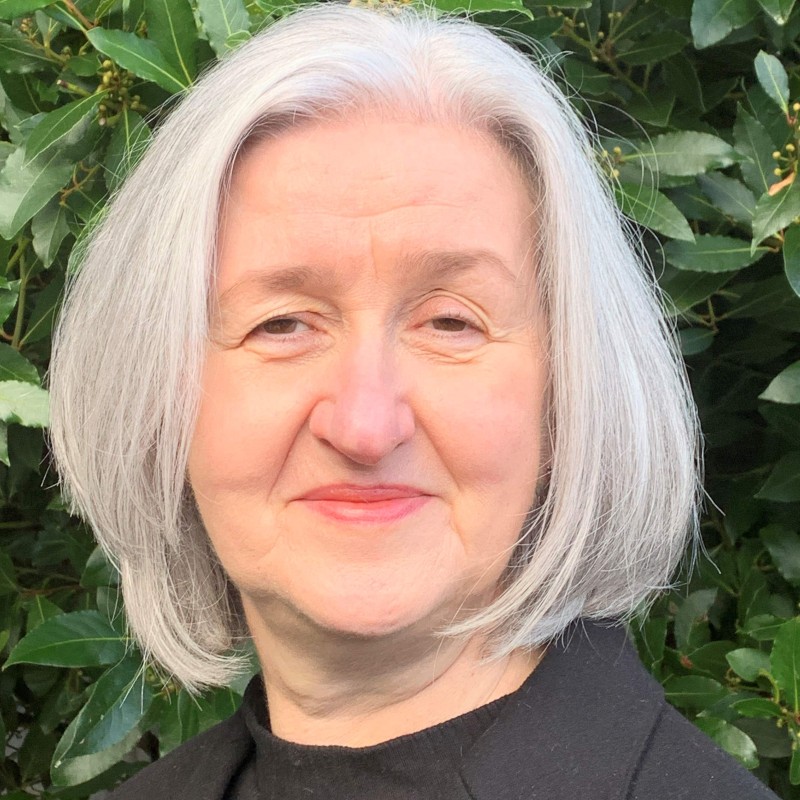
Jane started her scientific career at Imperial College long before ICL Neurotech Society was formed. She has worked as a postdoctoral researcher at Harvard, Cambridge and in biotech companies. Always keen to share her enthusiasm for science and its potential to transform lives, she joined Wellcome Connecting Science, and is now helping to build the UK neurotech community with Cambridge NeuroWorks.

Diana is an Investment Principal at LifeArc Ventures, where she leads investments and supports portfolio companies across biotech and medical devices. She brings eight years of operational experience from a medical software scale-up, alongside a strong venture capital background. Among others, Diana has invested in and served on the board of Robeauté, a pioneering brain microrobotics company. Previously, she was a Principal at Apex Ventures and Chief Scientific Alliance Officer at Image Analysis Group, an AI imaging company serving biopharma. She holds a PhD in neuroimaging software and an MSc in medical computer science

📍 1 Triton Square, London NW1 3BF
What if we could enhance the way our brains learn, heal, and adapt - responsibly? Neurotechnology is rapidly redefining how we understand and interact with the human brain, raising both exciting possibilities and important ethical and policy considerations.
This Thursday Gathering, in partnership with Imperial Neurotech & Cambridge Neuroworks, will explore emerging innovations and real-world applications, alongside the regulatory, ethical, and societal questions shaping the future of neurotech. We’ll highlight cutting-edge research, practical developments, and opportunities for collaboration across the neurotechnology, health, and policy ecosystem.
Powered by Advanced Research + Invention Agency
We’re excited to welcome an exceptional lineup of startups and Cambridge NeuroWorks fellows at the forefront of neurotechnology and health innovation.
- Lucy Jung | Cambridge Neuroworks Fellow I Founder of LYEONS
LYEONS develops neurotechnology for brain health, focusing on gentle, non-invasive sensory modulation to support autonomic nervous system regulation in people experiencing stress, anxiety and sleep disturbance. Working with clinicians and academic partners, including through collaboration with Cambridge NeuroWorks, LYEONS advances evidence-led, user-centred design to translate neuroscience into accessible, everyday support. The platform combines adaptive hardware with physiological biomarkers such as breathing and heart rate to personalise calming interventions, with the long-term aim of improving quality of life and reducing escalation to more intensive clinical care.
- Liam Collins-Jones | Cambridge Neuroworks Fellow
Liam's work focuses on developing methods that use wearable brain imaging technology to support Alzheimer’s disease diagnosis. As a Cambridge NeuroWorks Bluesky fellow, He has been ideating new approaches for applying portable brain imaging technology in the dementia care pathway, as well as testing & iterating new imaging protocols that could be applied in clinic. He is currently running a proof-of-concept study, aiming to demonstrate that emerging advances in wearable technology can be used to measure brain-specific biomarkers of cognition.
- Sam Kamali | Cambridge Neuroworks Fellow I Founder of Myonerv
Myonerv is a wearable neurostimulator to remotely monitor and treat stroke induced paralysis. It detects a patient's intention to move, using muscle signals (EMG), and delivers precisely timed electrical stimulation to augment and retrain movement. This synchronised "intention-driven" therapy accelerates recovery while enabling high-frequency rehabilitation at home. Designed for remote use by physiotherapists, Myonerv expands access to therapy, reduces system costs and transforms stroke recovery from a clinic-limited service into scalable, continuous, remote-based treatment at home.
https://www.myonerv.co/
- Iwan Roberts | Cambridge Neuroworks Fellow
- Jonathan Fisher | Cambridge Neuroworks Fellow
- Flow NeuroScience - medically approved brain stimulation headset and therapy app home treatment for Major Depressive Disorder (MDD).
- ReNeu - harnessing the power of sound waves to slow cognitive decline.
- MintNeuro - design and supply purpose-built chips that make neural implants safer, smarter, and more scalable.
- Connectome - turning neuroscience into a practical tool for peak performance, mental clarity, and longevity.
- Imperial Neurotech Society - Imperial's student community for building, connecting, and educating in the field of Neurotech.
This lively, interactive workshop kicks off the Scaling Neurotech event. Equal parts networking icebreaker and communications workshop, the activities will be grounded in improvised theatre. Did you know improv has been scientifically shown to increase cognitive flexibility and reduce social anxiety? But there’s no need to be an actor or comedian! Come as you are with good vibes and a willingness to have fun, and we’ll get you in a state of neural flow.
The session is led by Stephen Lee, founder of Gist In Time, a leadership coaching and strategy consultancy. He brings an MIT and Stanford bioengineer’s mind to the media and live performance sectors. A former VP of Strategy and Innovation at Warner Bros. Discovery and avid improv comedian, Stephen uses techniques from both the boardroom and theatre stage to help leaders and teams navigate moments of transition, uncertainty and change.
Neurological and neuropsychiatric disorders have overwhelming societal and economic impacts. What if we could solve the mysteries of these disorders and mental health by interfacing with the brain in new ways?
Moderated by Darius Guerret-Shimi, join ARIA Programme Director Jacques Carolan for a fireside chat as he shares his vision for ARIA’s Scalable Neural Interfaces Opportunity Space, the programmes they are funding and some of the breakthroughs that he finds most exciting.
The panel will feature subject matter experts exploring public funding, private investment, and navigating the UK’s regulatory landscape.
Darius is a Master's scholar in Biomedical Engineering at Imperial, with a love for community-building and unbridled passion for neurotech — thus co-leading the 1600-member Imperial Neurotech Society, which has massively expanded beyond a student-scope into Europe's largest of its kind since launching in 2024. His personal hype? Ultrasonic neuromodulation.
Jacques is an applied physicist and neuroscientist. Prior to joining ARIA as a founding Programme Director, he was a Discovery Fellow at UCL and a Marie Skłodowska-Curie Fellow at MIT.
Jacques’ work involves applying the principles of physics and engineering to create next-generation, scalable tools that aim to radically change our understanding of the brain and ultimately be used to repair it.
Gillian, a bioengineer, is passionate about advancing health through neurotechnology. She brings expertise in neuromodulation product development and biomaterials from her time at Blackrock Neurotechnology and Imperial College London.
Jane started her scientific career at Imperial College long before ICL Neurotech Society was formed. She has worked as a postdoctoral researcher at Harvard, Cambridge and in biotech companies. Always keen to share her enthusiasm for science and its potential to transform lives, she joined Wellcome Connecting Science, and is now helping to build the UK neurotech community with Cambridge NeuroWorks.
Diana is an Investment Principal at LifeArc Ventures, where she leads investments and supports portfolio companies across biotech and medical devices. She brings eight years of operational experience from a medical software scale-up, alongside a strong venture capital background. Among others, Diana has invested in and served on the board of Robeauté, a pioneering brain microrobotics company. Previously, she was a Principal at Apex Ventures and Chief Scientific Alliance Officer at Image Analysis Group, an AI imaging company serving biopharma. She holds a PhD in neuroimaging software and an MSc in medical computer science